


Have a listen to Jon Wilcox sharing on God looking for ‘Greedy Christians: those who are hungry for God in their everyday movements.


Have a listen to Jon Wilcox sharing on God looking for ‘Greedy Christians: those who are hungry for God in their everyday movements.

Nov 26th 2017. Shame Shifting. Family and Inclusion: Genesis 16, Genesis 45.Dysfunctional family can be the source of profound shame and pain. The problem with dysfunctional family is that it can seed problems for the next generation. The book of Genesis unflinchingly describes four generations of pain and problems from Abraham through to the life of Joseph. These stories are warnings of what can go wrong in family, but also speak of the redemptive power of God to heal broken family relationships. Download Discussion notes

Nov 26th 2017. Testament. Ten Commandments: Discussion notes: Love Your neighbour. Exodus 20. Leviticus 19. Jesus knew and loved the Old Testament. Its books were his scriptures. When asked about the greatest commandments he quoted from Deuteronomy 6:5 and Leviticus 19:18 (Love God, and Love your neighbour) and said the whole of the Law and Prophets (i.e. the Bible as he knew it) hung on these two sayings. The ten commandments are in many ways an articulation of these two principles.Love your neighbour as yourself is stated once in the Old Testament and quoted directly nine times in the new. Download Discussion notes
The current situation in the UK is that around 90 children come into foster care a day. Whilst some children will return home or be cared for by friends and family, there is a desperate need for more adoptive parents to provide a “forever family”. Up to 4,000 children are currently waiting to be adopted.
Liam shares his story of how he came to adopt with his wife Beth.
If you are interested in adoption then we recommend the Christian support organisation:
https://www.homeforgood.org.uk.
Woodies will be hosting an informal support evening in early January for those thinking about adoption. More details soon...
Nov 26th 2017. Testament. Ten Commandments: Discussion notes: Love Your neighbour. Exodus 20. Leviticus 19. Jesus knew and loved the Old Testament. Its books were his scriptures. When asked about the greatest commandments he quoted from Deuteronomy 6:5 and Leviticus 19:18 (Love God, and Love your neighbour) and said the whole of the Law and Prophets (i.e. the Bible as he knew it) hung on these two sayings. The ten commandments are in many ways an articulation of these two principles.Love your neighbour as yourself is stated once in the Old Testament and quoted directly nine times in the new. Download Discussion notes
Nov 26th 2017. Shame Shifting. Family and Inclusion: Genesis 16, Genesis 45.Dysfunctional family can be the source of profound shame and pain. The problem with dysfunctional family is that it can seed problems for the next generation. The book of Genesis unflinchingly describes four generations of pain and problems from Abraham through to the life of Joseph. These stories are warnings of what can go wrong in family, but also speak of the redemptive power of God to heal broken family relationships. Download Discussion notes

Nov 19th 2017. Shame shifting: Food and sex. Genesis 3:6-13. 1 Corinthians 6:12-20. Intended for pleasure? That is the title of a Christian book about sex. Food and Sex are intended for and vital for the continuation of life. They also give pleasure, and in our affluent western culture food and sex have been intensively marketed as pleasures we all deserve; ‘naughty but nice’. In reality, food and sex create crisis points in our culture with problems ranging from obesity to anorexia. The sexual abuse of women and children, and the revelations of politicians and celebrities as sexual predators are every day news. Download discussion notes.

Nov 19th 2017. Testament. Ten Commandments: Love God. Matthew 22:36-40, Exodus 20:1-11.Jesus knew and loved the Old Testament. Its books were his scriptures. When asked about the greatest commandments he quoted from Deuteronomy 6:5 and Leviticus 19:18 (Love God, and Love your neighbour) and said the whole of the Law and Prophets (i.e. the Bible as he knew it) hung on these two sayings. The ten commandments are in many ways an articulation of these two principles. Download discussion notes.
Nov 19th 2017. Testament. Ten Commandments: Love God. Matthew 22:36-40, Exodus 20:1-11.Jesus knew and loved the Old Testament. Its books were his scriptures. When asked about the greatest commandments he quoted from Deuteronomy 6:5 and Leviticus 19:18 (Love God, and Love your neighbour) and said the whole of the Law and Prophets (i.e. the Bible as he knew it) hung on these two sayings. The ten commandments are in many ways an articulation of these two principles. Download discussion notes.
Nov 19th 2017. Shame shifting: Food and sex. Genesis 3:6-13. 1 Corinthians 6:12-20. Intended for pleasure? That is the title of a Christian book about sex. Food and Sex are intended for and vital for the continuation of life. They also give pleasure, and in our affluent western culture food and sex have been intensively marketed as pleasures we all deserve; ‘naughty but nice’. In reality, food and sex create crisis points in our culture with problems ranging from obesity to anorexia. The sexual abuse of women and children, and the revelations of politicians and celebrities as sexual predators are every day news. Download discussion notes.

Nov 12th Shame Shifting: Comparison trap. Comparison and competition seem fundamental to the way we human beings live in society. The Bible knows all about these things. In family life in the Old Testament comparison and rivalry are vividly expressed. In the New testament it doesn’t seem far from the lives even of those closes to Jesus, the disciples. Even at the end of John’s gospel Peter seems to be comparing himself to John or ‘the beloved disciple, ‘what about him’?
The problem with comparison is that it can make us feel diminished by the comparison, and bring us into shame. God has a different plan for us than this. Download discussion notes.

Nov 12th Luke 24:25-27, 44-45. Why & how to read the Old Testament. For many people the Old Testament is literally a closed book. Yet for Jesus himself, and the early Church, it was their scripture. Jesus quotes the Old Testament often, as do Paul and the other New testament writers. Yet for may of us today there seems to be a disconnect between ‘the God and Father of our Lord Jesus Christ’ and the requirements of God as he appears in the Old Testament. How should we read this book? Download discussion notes.
Nov 12th Luke 24:25-27, 44-45. Why & how to read the Old Testament. For many people the Old Testament is literally a closed book. Yet for Jesus himself, and the early Church, it was their scripture. Jesus quotes the Old Testament often, as do Paul and the other New testament writers. Yet for may of us today there seems to be a disconnect between ‘the God and Father of our Lord Jesus Christ’ and the requirements of God as he appears in the Old Testament. How should we read this book? Download discussion notes.
Nov 12th Shame Shifting Comparison trap. Comparison and competition seem fundamental to the way we human beings live in society. The Bible knows all about these things. In family life in the Old Testament comparison and rivalry are vividly expressed. In the New testament it doesn’t seem far from the lives even of those closes to Jesus, the disciples. Even at the end of John’s gospel Peter seems to be comparing himself to John or ‘the beloved disciple, ‘what about him’?
The problem with comparison is that it can make us feel diminished by the comparison, and bring us into shame. God has a different plan for us than this. Download discussion notes.

Nov 5th. Prophetic Foundations. Prophecy is a huge and often misunderstood part of the Christian life. It is interpreted by different people in different ways. Some relegate ‘prophecy’ to ‘preaching’ or standing up for justice in the name of Christ, effective de-super naturalising it. Others equate prophecy to personal words of knowledge. Other see it as dreams, vision or other revelatory supernatural experiences. Some see it as fore knowledge, others as ‘forth telling’. Download discussion notes.

Nov 5th. Jesus Light of the World At this Autumnal season we are very aware of light and dark. The darkness of the winter season is mirrored by our thoughts on ‘dark powers’ in the Halloween festival. Bonfire night is a celebration; but it’s also an attempt to keep the darkness at bay. John’s gospel talks about light and darkness and Jesus is introduced as ‘the light that shines in the darkness. (John 8:12, John 9:5). Download discussion notes.
Nov 5th. Jesus Light of the World At this Autumnal season we are very aware of light and dark. The darkness of the winter season is mirrored by our thoughts on ‘dark powers’ in the Halloween festival. Bonfire night is a celebration; but it’s also an attempt to keep the darkness at bay. John’s gospel talks about light and darkness and Jesus is introduced as ‘the light that shines in the darkness. (John 8:12, John 9:5). Download discussion notes.
Nov 5th. Prophetic Foundations. Prophecy is a huge and often misunderstood part of the Christian life. It is interpreted by different people in different ways. Some relegate ‘prophecy’ to ‘preaching’ or standing up for justice in the name of Christ, effective de-super naturalising it. Others equate prophecy to personal words of knowledge. Other see it as dreams, vision or other revelatory supernatural experiences. Some see it as fore knowledge, others as ‘forth telling’. Download discussion notes.
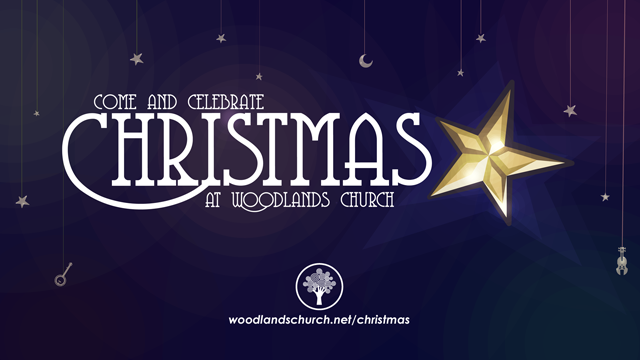


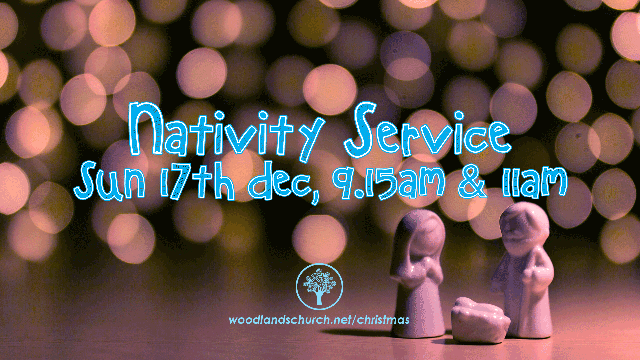

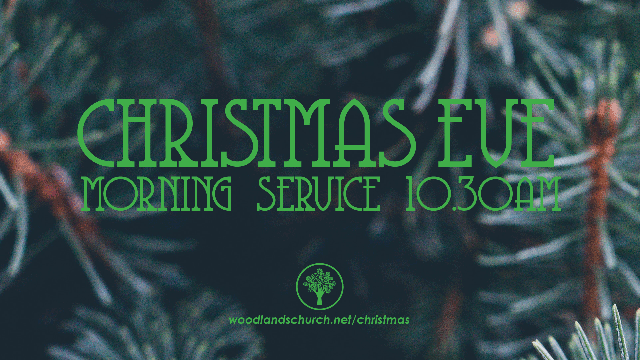

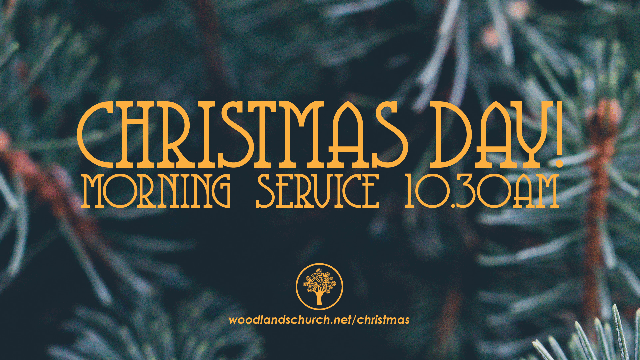

You may the kind of person who thinks "I Wish It Could Be Christmas Everyday". Or that it's "The Most Wonderful Time of The Year. Or perhaps even just the thought of the busy season makes you long for just a "Silent Night".
There's no denying it "Christmas Time Is Here" - "Christmas Is All Around". So, dust off those baubles and start making those lists if you haven't done already!
"Last Christmas", we had a whole series of special events to help you "Step Into Christmas". And this year we've got a whole stocking full of things too.
This Christmas, we hope you have a "Wonderful Christmas Time". More than that though, we hope you discover and rediscover Jesus amongst the busyness of a festive Christmas season.
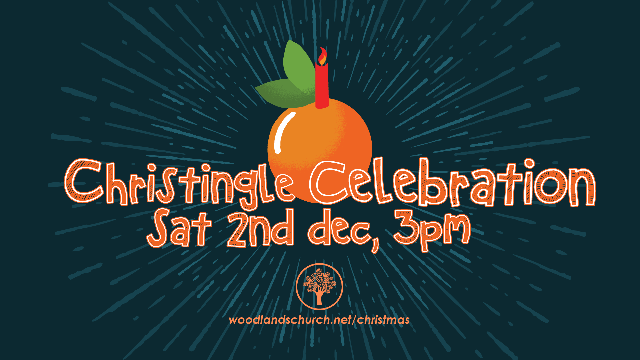
Find out more about our Christmas events on our special Christmas at Woodlands Church page.

The letter of John is a letter written by an elder statesman in the Church, (probably the apostle John) encouraging his flock in the face of many difficulties to hold on to things of first importance. The things John teaches have become his habit and practice through long usage. They are habits and disciplines that are transformational if we can acquire them. They form a secret history with practical outworkings
September 3rd. Prophetic call. As a young man Jeremiah saw a vision that unlocked a prophetic ministry that would span the next forty years. What does it mean for us to ‘see well’ as the Lord told Jeremiah? What is the call of God’s people to be ‘seers’, not ‘blind guides’ to those around us? As we start a new term what is God calling us individually and Woodlands as a community to be in our city.
Jeremiah 1. Download discussion notes.
Oct 8th God habits: Truthfulness. We live in an age of ‘fake news’ and image driven lifestyle communication, where Truth is a rare commodity. Jesus was so committed to truth that he said/implied that if we swore an oath instead of letting our yes be yes and our no be no it was from the evil one (father of lies) and indication that our words are not trustworthy. (matt 5:37)
John was fighting for the truth in a climate of heresy and speculative theology. He saw a link between truthful speech and truthful living (4-6) i.e. integrity which is a powerful witness to the gospel. 1 John 2: 1-5, 18-28. Download discussion notes
15th Oct. God habits: Generosity. Generosity is wonderful attractive quality. Are we known for it? In the sermon on the mount Jesus talks about things done in secret for the Father’s pleasure, including giving to the needy. The love of God and the love of our neighbour are so strongly linked that John, the apostle of love speaks about giving as a sign of loving God, and a response to the self-offering of Christ.
John sees love as a verb as well as a noun, something that acts (vv 16-20). As we care for those in need we act out the ‘family likeness’ of being God’s children. Generosity is a habit of the kingdom. If our gut reaction is to give, it also demonstrates to us, as well as to the world, that we belong to God. I John 3:10-23. Download discussion notes.
22nd Oct. God habits: Love. How do we radically love? The love of God constrains us to love one another as we obey Jesus’ new commandment. How much does fear hold us back from radical love? (v 18). Fear of rejection? Fear of hurting others if we are honest? Fear of shame and exposure if we are open?
There is a cost to true intimacy in human relationships and we need to face that cost if we are to go deep in relationships. John tells us however that there is a real connection with our ability to love the unseen God, and our love for our ‘brothers’. What does it mean for loving our brother to be a habit? How much is emotion, how much is will, choice and action, how much is accessing the grace of God? 1 John 4:7-21. Download discussion notes.
October 29th. God habits: Prayer.
The letter of John is a letter written by an elder statesman in the Church, (probably the apostle John) encouraging his flock in the face of many difficulties to hold on to things of first importance. The things John teaches have become his habit and practice through long usage. They are habits and disciplines that are transformational if we can acquire them. They form a secret history with practical outworkings 1 John 5:13-17. Download discussion notes.
Like what you've seen? Find more talks and videos on the Woodlands Church sermons & talks page.
Woodlands Church, Belgrave Road, Bristol BS8 2AA


